




In the world of pet care, ensuring our furry friends maintain optimal health is a top priority for every responsible pet owner. While many associate weight management with controlling excess pounds, some dogs face the challenge of gaining enough weight to reach a healthy level. In such cases, turning to homemade dog food can be a game-changer. Crafting nutritious meals tailored to promote weight gain provides a holistic approach to addressing this concern. By incorporating wholesome ingredients and following specialized recipes, homemade dog food becomes a powerful tool in helping your pup achieve a healthy weight. Let’s explore the intricacies of homemade dog food to gain weight, understanding its importance and impact on our beloved companions’ well-being.
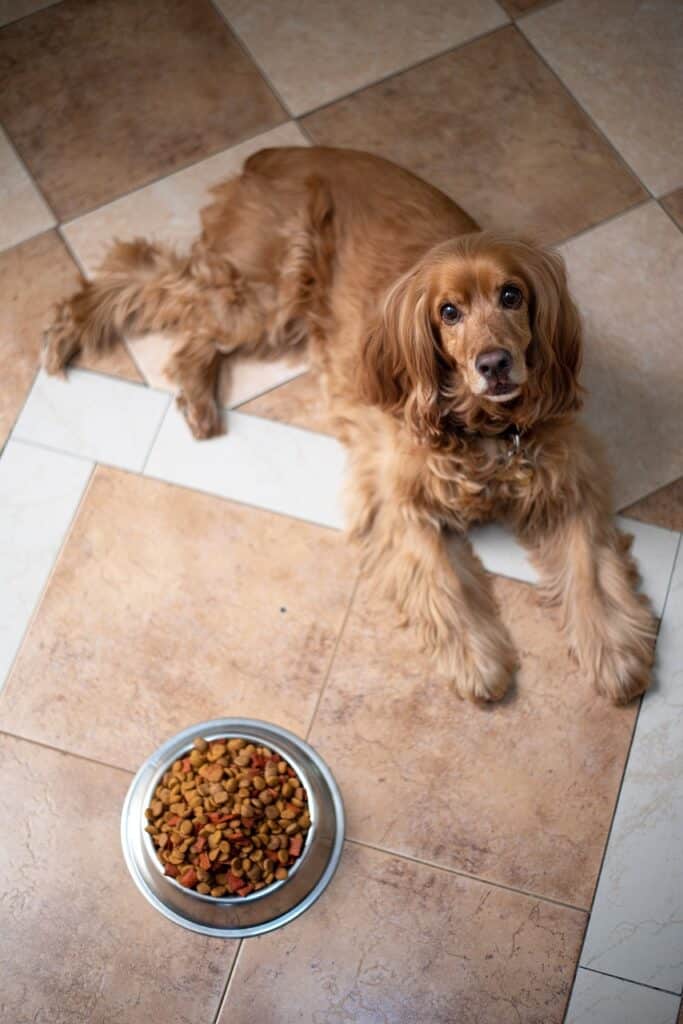
Recipe 1: Chicken and Rice Delight Ingredients:
- 2 cups of cooked chicken (shredded)
- 1 cup of cooked brown rice
- 1/2 cup of cooked sweet potatoes (mashed)
- 1/4 cup of cooked peas
- 1 tablespoon of olive oil
Instructions:
- In a large bowl, combine the cooked chicken, brown rice, mashed sweet potatoes, and peas.
- Drizzle the olive oil over the mixture and gently toss until everything is evenly coated.
- Serve the desired portion to your pup, and store the remaining mixture in an airtight container in the refrigerator for up to three days.
Recipe 2: Beef and Vegetable Stew Ingredients:
- 1 pound of ground beef
- 1 cup of chopped carrots
- 1 cup of chopped green beans
- 1/2 cup of cooked quinoa
- 2 cups of beef broth
Instructions:
- In a large pot, brown the ground beef over medium heat until fully cooked.
- Add the chopped carrots and green beans to the pot and sauté for an additional 5 minutes.
- Pour in the beef broth and bring the mixture to a simmer.
- Stir in the cooked quinoa and let the stew simmer for 10-15 minutes, allowing the flavors to meld together.
- Once cooled, serve the stew to your pup, and store any leftovers in the refrigerator for up to three days.
Recipe 3: Salmon and Potato Medley Ingredients:
- 2 cans of cooked salmon (drained)
- 2 cups of cooked potatoes (mashed)
- 1/2 cup of cooked spinach (chopped)
- 1 tablespoon of coconut oil

Instructions:
- In a mixing bowl, combine the cooked salmon, mashed potatoes, and chopped spinach.
- Melt the coconut oil and drizzle it over the mixture, stirring until well incorporated.
- Serve the desired portion to your pup, and store the remaining mixture in the refrigerator for up to three days.
Understanding Dog Weight Gain:
Before delving into homemade dog food recipes, it’s essential to understand the factors contributing to your pup’s weight gain. Dogs, like humans, require a balanced diet consisting of proteins, carbohydrates, fats, vitamins, and minerals to thrive. However, some dogs may struggle to gain weight due to various reasons:
- Genetics: Just as genetics play a role in human metabolism, they also influence a dog’s ability to gain or maintain weight. Some breeds naturally have a faster metabolism, making it challenging for them to put on weight.
- Age: Puppies, seniors, and adult dogs may have different nutritional requirements. Puppies, for instance, require more calories and nutrients for growth, while seniors may have decreased appetites or reduced nutrient absorption.
- Health Issues: Underlying health conditions such as thyroid disorders, gastrointestinal problems, or parasites can affect a dog’s weight. It’s crucial to address any potential health issues with your veterinarian before implementing dietary changes.
- Activity Level: Highly active dogs, such as working breeds or those participating in agility or sports, may burn more calories than sedentary dogs, requiring a higher calorie intake to maintain or gain weight.
- Stress or Anxiety: Dogs experiencing stress, anxiety, or environmental changes may have decreased appetites, leading to weight loss. Addressing the underlying stressors and providing a comforting environment can help improve appetite and promote weight gain.
By understanding these factors, you can tailor your dog’s diet and lifestyle to support healthy weight gain.
Nutritional Requirements for Weight Gain:
When formulating homemade dog food recipes for weight gain, it’s crucial to focus on nutrient-dense ingredients that provide the necessary calories, protein, and healthy fats to support muscle growth and overall health. Here are some key nutritional considerations:
- Protein: Protein is essential for building and repairing tissues, including muscles. Lean protein sources such as chicken, turkey, beef, fish, and eggs should be included in your dog’s diet to promote healthy weight gain.
- Carbohydrates: Complex carbohydrates like brown rice, quinoa, sweet potatoes, and oats provide a steady source of energy and fiber, aiding in digestion and nutrient absorption.
- Healthy Fats: Incorporating healthy fats such as olive oil, coconut oil, and fish oil into your dog’s diet can help increase calorie intake and promote skin and coat health.
- Vitamins and Minerals: Fruits and vegetables are rich sources of vitamins, minerals, and antioxidants that support overall health and immune function. Incorporate a variety of colorful fruits and vegetables into your dog’s meals to ensure they receive a wide range of nutrients.
- Portion Control: While it’s essential to provide sufficient calories to promote weight gain, it’s equally important to avoid overfeeding, which can lead to obesity and other health problems. Consult with your veterinarian to determine the appropriate portion sizes for your dog based on their age, weight, and activity level.
Now that we understand the factors influencing weight gain in dogs and their nutritional requirements let’s explore some wholesome homemade dog food recipes specifically designed to help your pup gain weight in a healthy and delicious way.
Conclusion:
When it comes to helping your dog gain weight, it’s essential to provide them with nutrient-dense meals that promote healthy growth and development. By preparing homemade dog food using wholesome ingredients like lean meats, whole grains, and fresh vegetables, you can tailor your pup’s diet to meet their specific needs while ensuring they enjoy every bite. However, always consult with your veterinarian before making any significant changes to your dog’s diet, especially if they have any underlying health conditions. With a little extra love and care, you can help your furry friend reach their ideal weight and thrive for years to come.
