




Introduction:
Storms like the ones that recently hit Houston could become stronger as the planet warms. Here’s a simple guide to understanding these storms and how climate change might affect them.
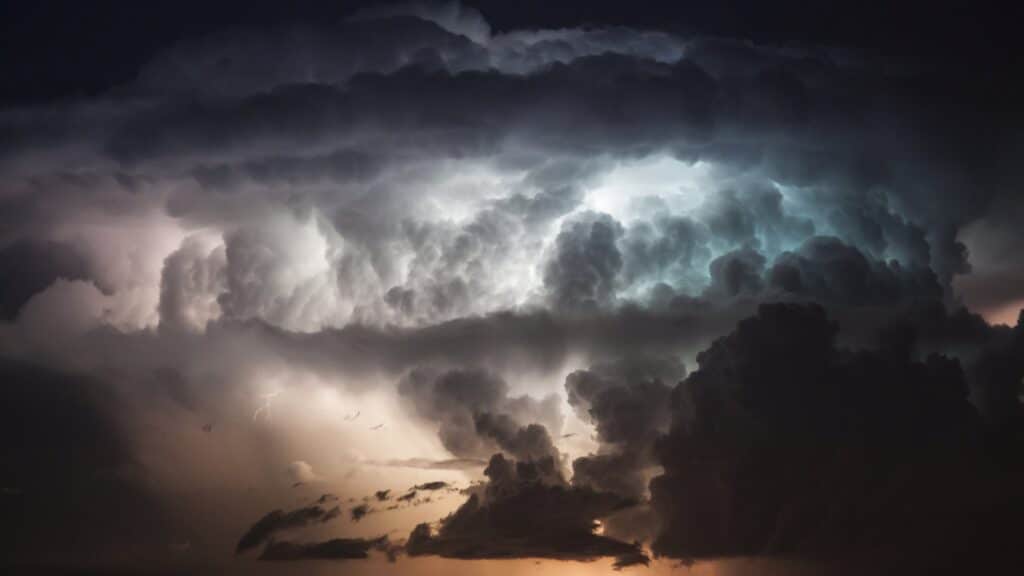
Storm Damage:
- Recent storms in Houston caused:
- Shattered windows
- Caved-in walls
- Toppled power lines and trees
- These were not hurricanes but violent thunderstorms.
Types of Storm Damage:
- Rain and flooding
- Hail
- Tornadoes
- Blasting wind
Global Warming and Severe Storms:
- Warmer air holds more moisture, leading to:
- More rain
- Stronger storms
- More moisture means more water vapor can condense into clouds.
- Condensation releases heat energy, which feeds thunderstorms.
- Increased atmospheric instability provides more energy for storms.
Challenges in Predicting Storm Trends:
- Many factors influence storm formation and intensity.
- Not all conditions for powerful storms result in actual storms.
- Scientists are still studying how global warming affects storm trends.
Current Understanding:
- Theoretical Knowledge:
- Scientists understand the basic principles of how warming affects storms.
- Translating this knowledge into predictions for specific storm events is challenging.
- Tornadoes:
- No clear evidence that tornadoes are more frequent or intense.
- Tornadoes seem to occur in more concentrated bursts.
Conclusion: As the planet warms, we can expect changes in storm behavior, but predicting these changes remains complex. Understanding the factors that influence severe storms is crucial for future preparedness.
